The Self-Reliance Project
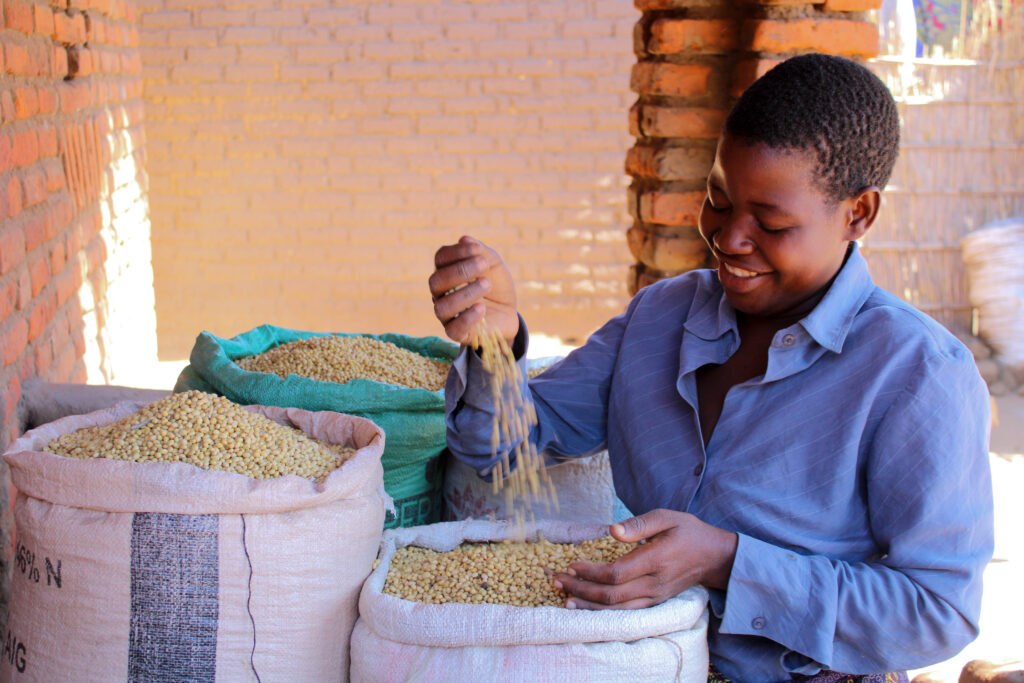
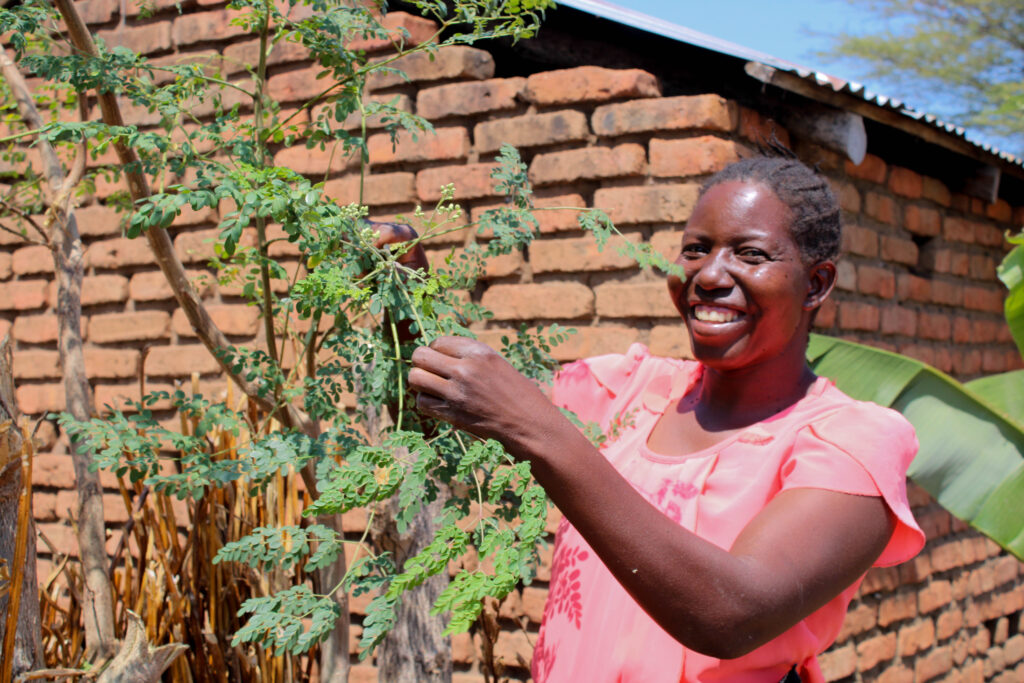
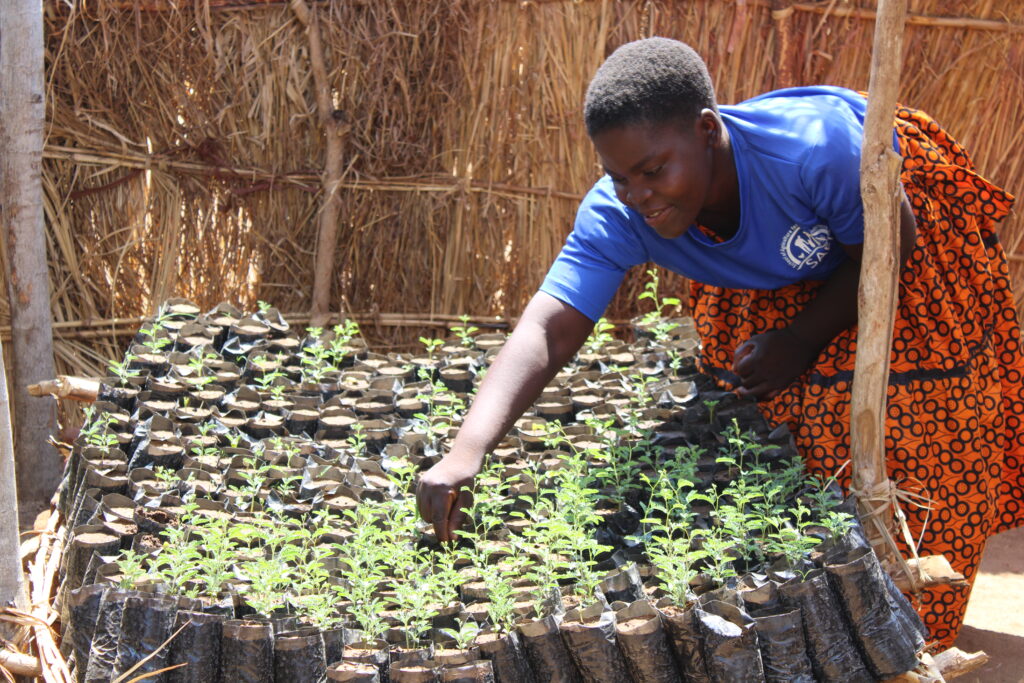
At the heart of SAFI’s mission lies the Self-Reliance Project. As our foundational “mother” initiative, it serves as the umbrella for several interconnected interventions designed to empower families. Our work spans from the soil to the dinner table, encompassing seed production, nutritional programs, fertilizer multiplication, and the cultivation of fruit trees and moringa.
Sustainable Seed & Crop Production
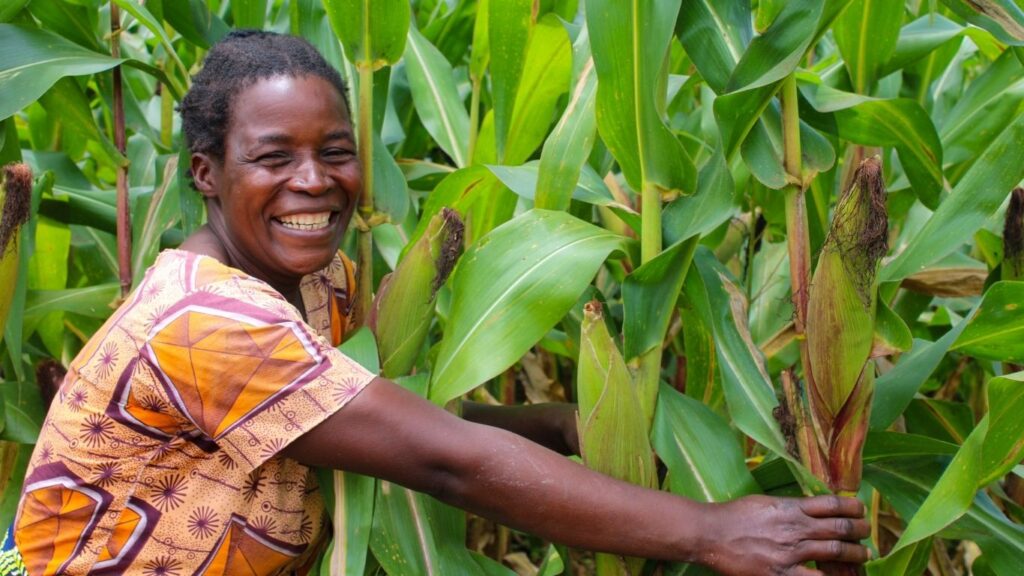
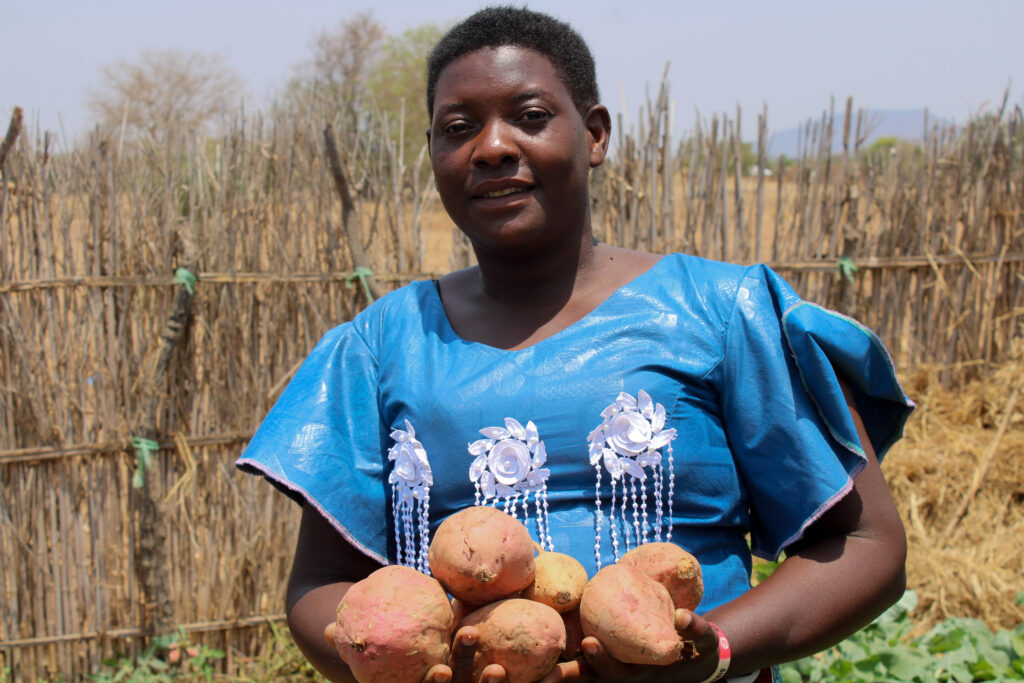
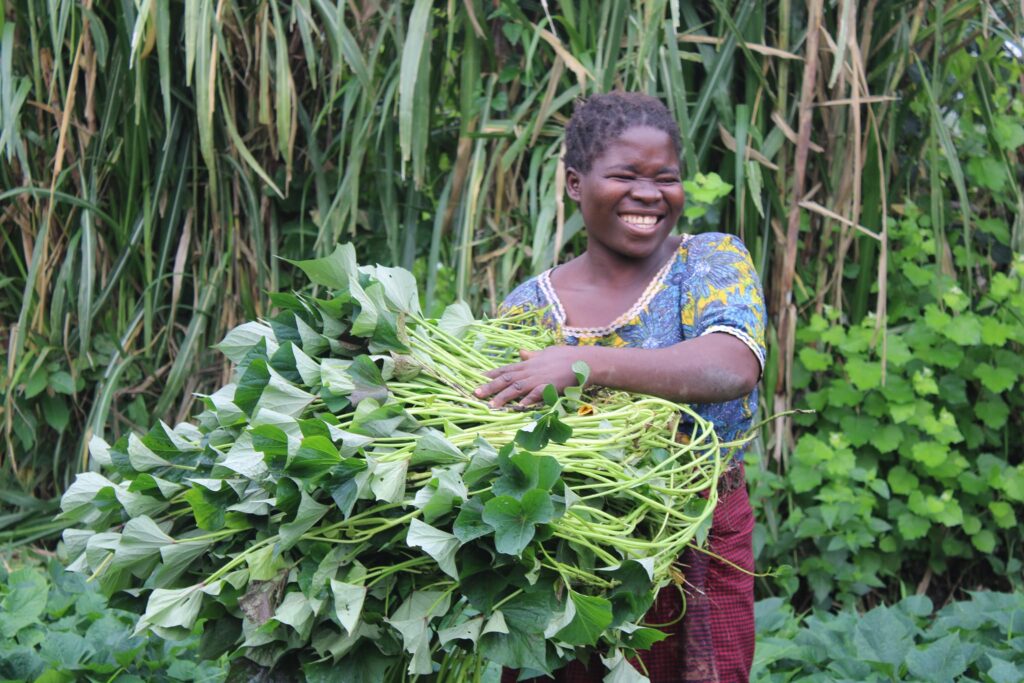
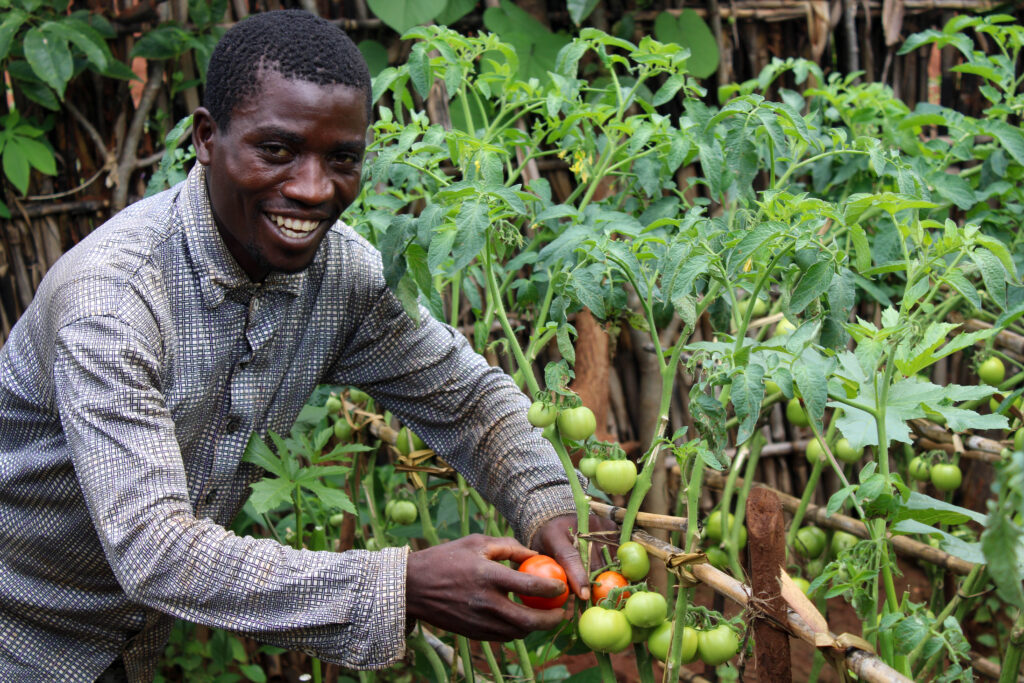
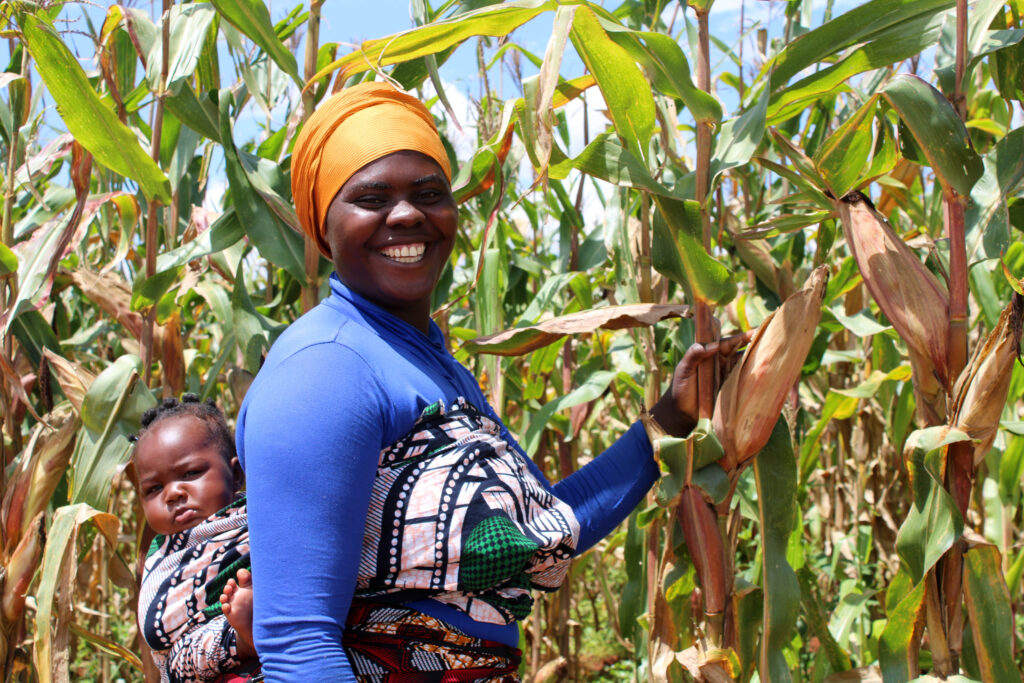
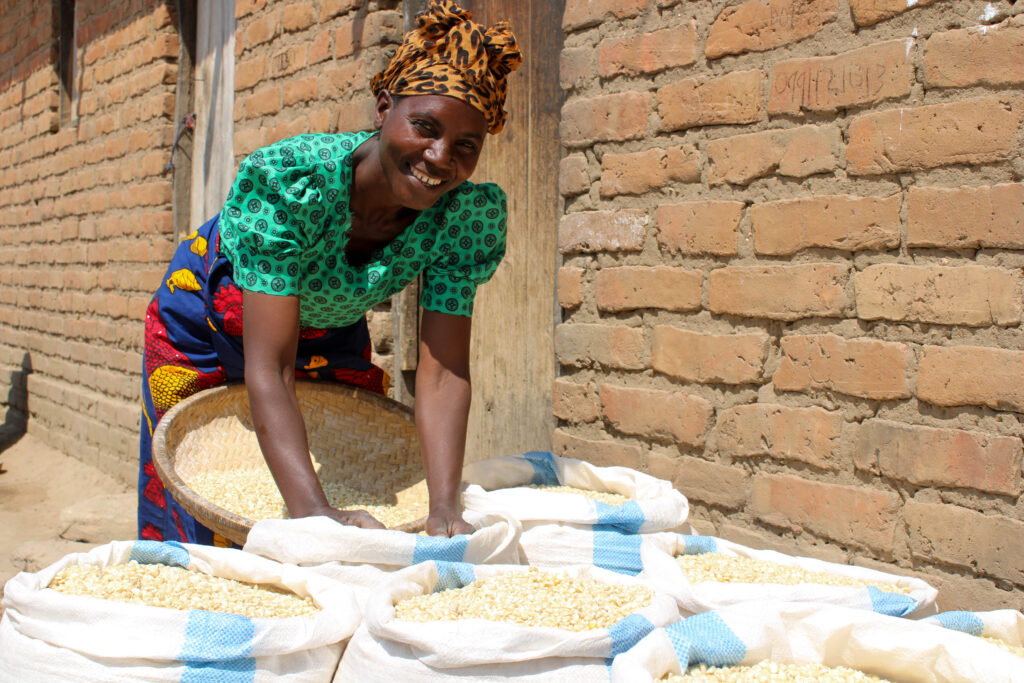
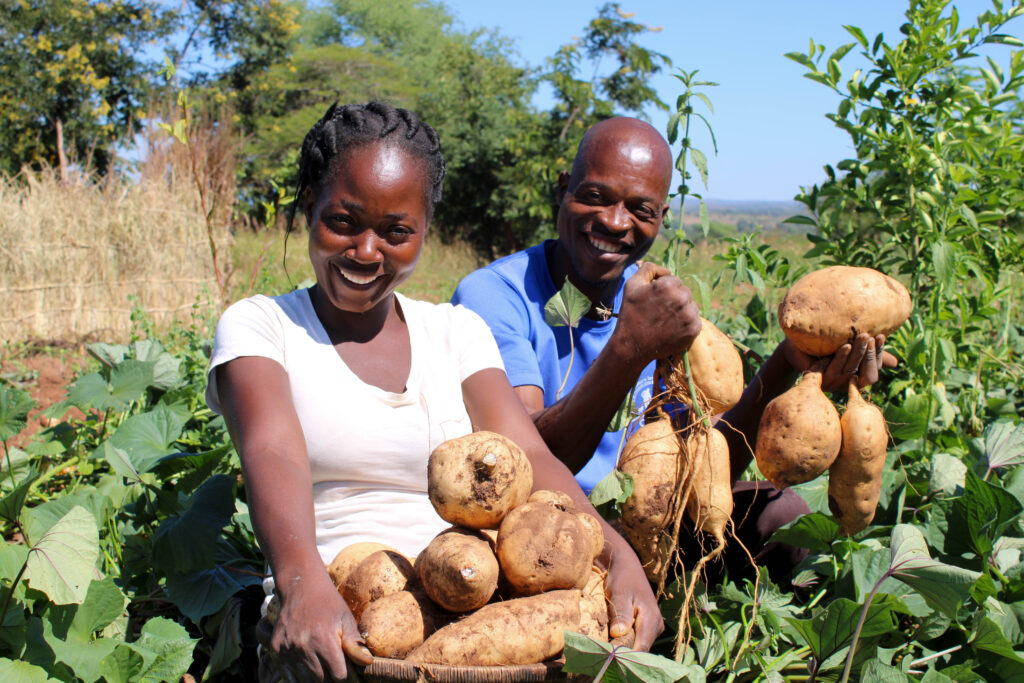
Our seed production concept focuses on high-impact crops including maize, legumes, and Orange-Fleshed Sweet Potatoes (OFSP). We don’t just provide seeds; we ensure our farmers have the resources and knowledge to thrive. By teaching advanced farming techniques and by promoting the use of Mbeya and Bokashi organic fertilizers, we help families achieve harvests that are large enough to sustain the home and provide a surplus for financial stability.
Nutritional Programs
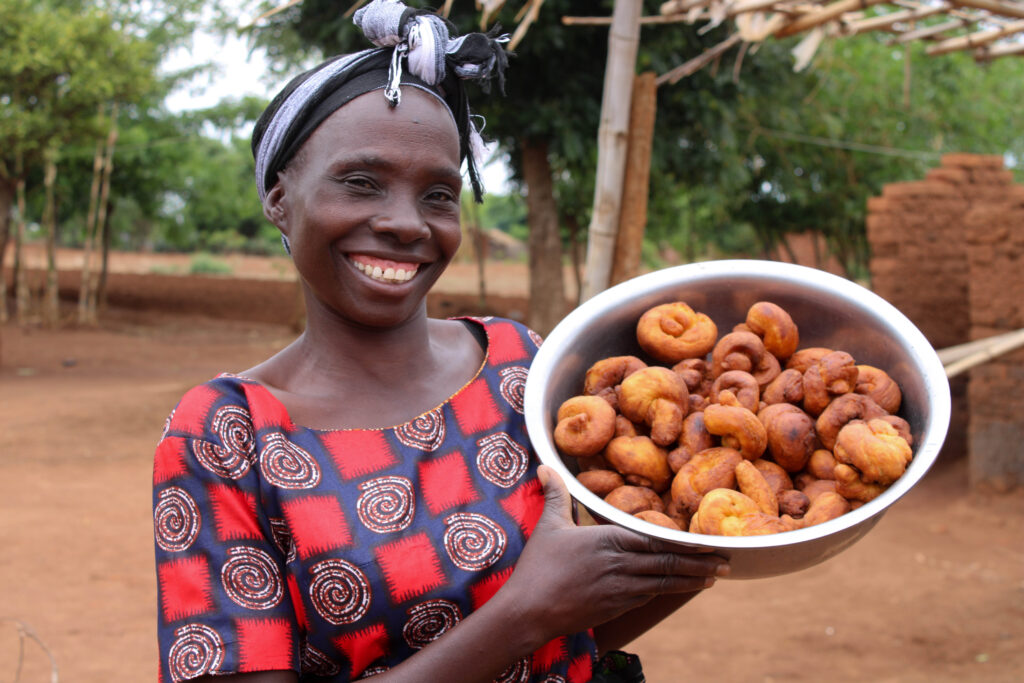
Our nutritional programs are designed to turn harvests into health. We empower families to maintain “nutritional homes” through hands-on cooking demonstrations. These sessions teach farmers how to prepare delicious, nutrient-dense dishes using locally available village resources. Highlights include:
- Creative ways to incorporate moringa into daily meals.
- Transforming OFSP into juices, healthy snacks, and main courses.
- Practical lessons on incorporating the six food groups into every meal to ensure a balanced diet.
Fruit Tree Production & Orchard Management
To diversify both diets and income, we actively promote the cultivation of papaya, guava, avocado, mango, and bananas. These trees are selected for their high nutritional value and their ability to thrive in the local climate, providing a year-round source of vitamins for the family.
Beyond simple planting, we provide training on grafting and sustainable orchard management. This ensures that the trees reach maturity quickly and produce high-quality yields. By integrating fruit trees into their farms, families create a “living pharmacy” and a long-term economic asset that can provide shade, improve soil health, and offer a sustainable source of fruit for generations to come.